
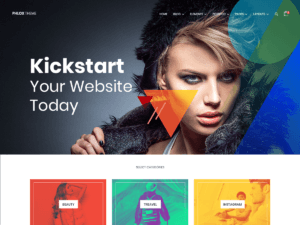
 I’m going to clue you in on something pretty incredible: the way we perceive colors can completely steer our reactions to a website. This isn’t just about aesthetics; it’s also about wielding the subtle power of color to evoke emotions and responses from users the moment they land on a page.
Color is a silent salesperson, working tirelessly behind the scenes. It can whisper trustworthiness with blues, shout excitement with reds, or convey tranquility with greens. In the realm of website design, understanding the nuanced dance of colors can give you an edge in creating an experience that not only looks good but feels right to your visitors.
So, today I’m going to be talking about the basics. First up, the color wheel – it’s our map in the territory of hues, guiding us to understand complementary, analogous, and contrasting color schemes. Then, I’ll touch on the essentials of color theory, which isn’t just about which colors work well together, but why they resonate with us on a psychological level.
The Fundamentals of Color Psychology
Color psychology isn’t just a trend; it’s a pivotal aspect of understanding how visuals impact our daily decisions and emotions. In the realm of website design, knowing the fundamentals of color psychology can give you an edge in creating compelling and effective user experiences. Let’s delve into what science says about color and human behavior.
Colors carry intrinsic meanings and associations that can sway feelings and actions. Think about it; red often conveys passion or urgency, which is why ‘Buy Now’ buttons are frequently red. Blue, on the other hand, reflects stability and trust, commonly seen in banks’ branding. But these associations aren’t universal. While green might evoke a sense of growth in some areas, it could signify ill fortune in others.
A pivotal element in using color psychology effectively is to acknowledge that this is not a one-size-fits-all situation. Cultural significance plays a huge role. For example, white is synonymous with purity in many Western cultures, yet it is associated with mourning in some Eastern cultures. Therefore, understanding the cultural context of your audience is crucial for the right color selection.
Analyzing Your Audience: Who Are Your Users?
Understanding who’s going to be visiting your website is vital when you’re selecting your color palette. Your choices need to resonate with your audience, because, after all, the website is for them, not just a reflection of your personal taste.
Start by profiling your typical website visitor. Are they young, tech-savvy users, or are they older, seeking straightforward information without the frills? The colors that appeal to one demographic might fall flat with another, so getting a handle on this could make or break your design’s effectiveness.
I’m here to help you with practical methods for researching user preferences. Use surveys, look at the analytics of your current website, and gather data on your audience’s behavior. What pages do they spend the most time on? What’s their navigational path? This data can give you insights into their preferences and help you choose colors that keep them engaged.
Remember, demographics are about more than just age and tech-savviness. Consider gender, location, cultural background, and even the industry they’re in. All these factors can influence color perception and preferences. For instance, while blue is often associated with trust and stability worldwide, it could be perceived differently in various cultural contexts.
Armed with audience analysis, you’re now ready to make informed strategic choices for your website’s color palette. These choices won’t just boost the aesthetic appeal; they’ll also drive user actions, which is what you’ll find out about in the next section, where we’ll dive into the colors that have proven to engage users and optimize conversions.
Strategic Color Choices for Conversion Optimization
If you want to nudge site visitors towards a specific action, like making a purchase or signing up for a newsletter, color can be a powerful tool. Choosing the right color can boost conversion rates by tapping into the emotions and behaviors associated with that color.
Colors that are known to induce action, such as red for urgency or blue for trust, should be used thoughtfully. A call-to-action button in a contrasting color stands out and can lead to higher click-through rates. However, choose something that resonates with your brand and message.
I’m not just tossing opinions here; this is backed by research. A/B testing is critical in determining which colors perform best on your site. By presenting different versions to users, you can collect data on which color combinations lead to more conversions.
To illustrate this, let’s look at some case studies. One e-commerce site changed its ‘Buy Now’ button from green, which symbolized ‘go’, to red, typically associated with ‘stop’. Conversions actually increased because the red button stood out more against the site’s color scheme.
This doesn’t mean that you should rush to repaint your website in reds and oranges. The trick is to find the sweet spot where the color choice amplifies the desired action without overwhelming the user.
Your first attempt doesn’t need to be your last. Use the insights from your A/B tests to continually refine and adjust your color strategy. And remember, what works for another site may not work for yours. It’s about finding what’s best for your audience and your brand.
Color Accessibility and Inclusive Design
I’m going to show you why color accessibility is vital in website design. It’s not just a nice-to-have; it’s a must-have if you want to create a website that’s welcoming to everyone. When you design with accessibility in mind, you’re considering people with visual impairments, including those with color blindness.
Color contrast is one of those areas that you can’t afford to ignore. The right contrast can make your content readable for everyone, and fail to get this right, and you risk alienating a portion of your audience. The Web Content Accessibility Guidelines (WCAG) provide clear standards that you can follow.
Now, about those design considerations for color blindness and visual impairments—don’t worry too much about it being overly complicated. Simple adjustments to your color palette can make a big difference. Tools like contrast checkers and simulators can help you make informed decisions.
This isn’t just about meeting standards; it’s also about embracing the philosophy of inclusive design. You’re aiming to create experiences that can be fully used and appreciated by as many people as possible, regardless of their situation or ability.
Balancing Aesthetics and Functionality
I’m going to dive into the delicate act of balancing aesthetics with functionality in your website design. You’re going to find out about the importance of creating a visual appeal that not only grabs attention but also makes navigation intuitive for your users.
Color harmony isn’t just a concept from an art class; it’s critical for guiding users through your website content efficiently. That’s going to include using complementary colors to highlight calls to action and tertiary shades to provide background stability.
In my opinion, an effective website design avoids the pitfall of color overload. Too many colors can lead to visual fatigue, distract from important content, and confuse the navigation. It’s similar to a well-prepared meal; you want a balance of flavors, not an overwhelming mix that masks the individual quality of each ingredient.
Choose something that resonates with your brand while ensuring it contributes to the usability of your site. This isn’t just about your personal preference; it’s also about empirical user testing and feedback. A color that may seem striking to you could be a deterrent to your audience.
Remember, your first attempt doesn’t need to be perfect. You can always adjust your approach down the road based on analytics and user interaction data. That’s the strategy I like to leverage—making data-driven decisions that refine both the aesthetic and functional aspects of a website design over time.
Now what? Well, you’ll proceed to ensure that your strategic color choices smoothly integrate with your overall brand strategy, which is our next topic of discussion.
Integrating Color Psychology with Overall Brand Strategy
I’m here to help you understand why color psychology is so tightly knit with your brand strategy. It’s not just about making your site look good; it’s about conveying your brand’s message at a glance. You’re going to find out about how every hue you pick can echo your brand’s ethos and communicate with your audience on a subconscious level.
Choosing colors that reflect your brand values isn’t just smart; it’s crucial for consistent branding. If you want to stand for something like eco-friendliness, there are green shades that can instantly make that connection for your users. The right color increases brand recognition by up to 80%, according to a University of Loyola, Maryland study. So choose something that resonates with you and your customers.
Now what is a big publisher? Or rather, let’s talk about you as a publisher of your brand. You have multiple channels: your website, social media, ads, maybe even print materials. Consistency across these platforms is how you build trust. When your colors align everywhere, you create a cohesive and recognizable brand experience. That’s the strategy I like to leverage.
Your brand is alive, and it’ll evolve. Your colors can too. A rebrand doesn’t necessarily mean a complete overhaul. Sometimes, shifting a shade or introducing a new accent color can re-energize your brand without losing the trust you’ve already established with your audience. You can always adjust your approach down the road.
Believe it or not, even companies like Coca-Cola and Google tweak their color schemes. They keep their iconic colors but play with the shades to stay modern and relevant. It blew me away in terms of the quality of impact such subtle changes can make.
Conclusion: Implementing Color Psychology in Your Web Design
I’m going to wrap things up by reaffirming the remarkable power color holds in web design. It’s not just a matter of aesthetics; it’s a crucial part of how visitors interact with your site. You’ve seen the evidence threaded through real-world examples and scientific research.
By now, you’ve got a firm grasp on the ways you can harness color psychology to boost user engagement, convey your brand message, and drive conversions. Remember, the colors you choose represent your brand’s voice and tone, potentially becoming as recognizable as your logo or tagline.
If you want to start making smarter color choices for your website, begin with a clear definition of your brand identity and your audience’s expectations. Color should be a deliberate choice tailored to your overall strategy and the psychology of your target users.
Don’t worry too much about getting it perfect on the first try. Your website’s color palette isn’t set in stone. You can always adjust your approach down the road based on user feedback and evolving design trends.
Choose something that resonates with you and your audience, but be ready to iterate and evolve. I really hope that you embrace the experimental mindset—that’s where innovation truly happens. Color is a powerful tool, and when used with intention, it can have a profound impact on your website’s success.
So my question to you today is, what color will your success story be written in? As you ponder this, remember that I’m here to help you navigate the vast spectrum of possibilities. Thanks for coming along on this colorful journey. I’d love to hear your feedback, reach out anytime you need guidance, or just want to share your colorful victories.